



In the world of mobile food operations, choosing the right truck is a critical decision that can significantly impact your business's success. While refurbished trucks may seem like a budget-friendly option at first glance, there are compelling reasons why they often fall short compared to brand-new models. Here’s a detailed analysis of why refurbished trucks are generally not advisable, focusing on their quality issues, high maintenance costs, and overall operational disadvantages.
Quality Concerns: Hidden Flaws and Structural Issues
Refurbished trucks, by definition, are used vehicles that have undergone some form of repair or restoration. However, this process often fails to address all underlying problems. Many refurbished trucks come with hidden mechanical or structural flaws that aren’t immediately apparent. For instance, a refurbished truck might have a refurbished engine or transmission, but these components could still be prone to frequent breakdowns due to wear and tear from previous use. Unlike new trucks, which come with pristine, thoroughly tested parts, refurbished units may harbor issues that surface unexpectedly during operation, leading to costly downtime.
Moreover, the refurbishment process itself can be inconsistent. Some refurbished trucks receive comprehensive overhauls, while others undergo minimal cosmetic fixes. This variability means that you might end up with a truck that looks good on the surface but lacks reliability in critical areas like refrigeration or cooking equipment integration. In contrast, new trucks are built from scratch with modern standards, ensuring uniformity and reliability in every component.
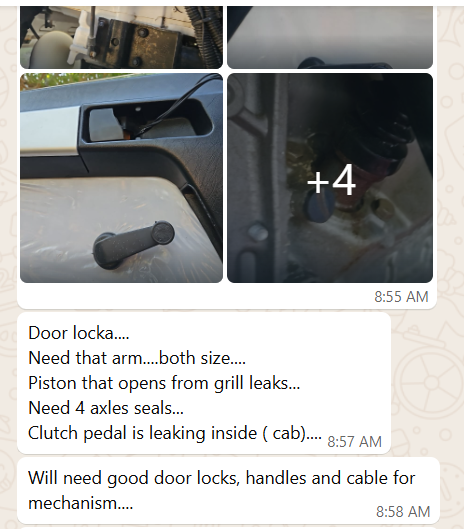
(Client bought a refurbished truck with tough problems)
Maintenance Costs: A Drain on Resources
One of the most significant drawbacks of refurbished trucks is their high maintenance costs. Over time, refurbished trucks tend to require more frequent repairs and part replacements. For example, a refurbished truck’s engine might need major repairs or complete replacement sooner than a new engine would, translating into substantial expenses. Additionally, refurbished trucks often come with outdated or less efficient systems, such as older refrigeration units or heating systems, which consume more energy and require more maintenance to keep running smoothly.
These ongoing maintenance expenses can quickly add up, exceeding the initial savings from purchasing a refurbished truck. In comparison, new trucks are designed with efficiency and durability in mind, featuring advanced technologies that reduce energy consumption and minimize maintenance needs. The long-term cost savings of a new truck can outweigh the upfront price difference, making it a more economical choice over the truck’s lifespan.
Operational Disadvantages: Downtime and Inefficiency
Refurbished trucks are more prone to breakdowns and operational disruptions. Frequent mechanical failures can lead to significant downtime, which is detrimental to a mobile food business where availability and reliability are key to customer satisfaction and revenue generation. For instance, if a refurbished truck breaks down during a busy event or peak business hours, the lost income and potential damage to your reputation can be substantial.
Furthermore, refurbished trucks often lack the efficiency and performance of new models. They may not integrate modern cooking equipment as seamlessly as new trucks, leading to slower service times and reduced productivity. New trucks, on the other hand, are optimized for performance, offering better workflow integration and faster operation, which can enhance your business’s efficiency and customer experience.
Safety and Compliance Risks
Safety is another critical area where refurbished trucks fall short. Many refurbished vehicles may not meet current safety standards or regulations, posing risks to both operators and customers. For example, outdated electrical systems or braking mechanisms in refurbished trucks can lead to safety hazards. Additionally, compliance with local health and safety regulations for food trucks is stricter for newer models, which are designed with these standards in mind. Refurbished trucks might require costly modifications to meet compliance, adding to their overall expense.
Why New Trucks Are the Better Choice
Given these issues, it’s clear that refurbished trucks are not the best investment for your mobile food business. New trucks offer superior quality, reliability, and efficiency, with lower maintenance costs and fewer operational disruptions. They come with warranties and support services, providing peace of mind and ensuring that any issues are promptly addressed. Moreover, new trucks are built to meet current safety and compliance standards, reducing the risk of legal complications and enhancing your business’s reputation.
Conclusion: Invest Wisely for Long-Term Success
In conclusion, while refurbished trucks might seem like a cost-effective option initially, their hidden flaws, high maintenance costs, operational inefficiencies, and safety risks make them a poor choice compared to new trucks. For clients looking to establish or expand a mobile food operation, investing in a brand-new truck is the smarter decision. It ensures reliability, minimizes downtime, and provides a solid foundation for your business’s growth and success. Don’t let short-term savings compromise long-term profitability—choose new, and drive your business forward with confidence.